A Brief Reflection

The start of this project was a bit of a struggle for me. I was confused and little worried trying to figure out what the deliverable was supposed to be. My group was phenomenal and we worked to break ourselves out of this mindset. I learned a lot from working on this project and, in the end, my group created something we were very proud to present.

Some major takeaways:

  • Working with a group of five very different people to explore and define our project from nearly limitless possibilities required a lot of trust and iteration. We would all suggest ideas, enhancements, changes, and from endless options, we figured out how to discover and focus on one area of interest.
  • When I brainstorm ideas on my own, I usually shut a lot of them down right away for being impossible. Working in this group on this very open and creative brief and learning about speculative design has helped. I’ve been able to catch myself and keep going with these ideas and I usually learn something from them even if they don’t end up being the complete solution.

toolkit

Thank you for reading through my workbook!


“Bring nuts for squirrels”

People often have a desire to interact with wild animals in the park. It seems like our first instinct is to feed animals because it encourages them to come closer and seems to make them happy.

This real Tripadvisor review for St. James’s Park demonstrates excitement about park animals and this common method of interacting with them.

trip advisor.PNG

fatsquirrel.jpg

Photo Source

In a consistently visited, relatively low-predator park like St. James, a visitor bringing nuts for squirrels is probably safe! Unfortunately, this impulse can sometimes cause problems in different scenarios. For example, if visitors feed squirrels whatever unhealthy food they happen to have with them or there are predators around and the familiarity encouraged with humans makes squirrels less afraid of dangerous animals.

As for the safety of the humans, squirrels are almost never found to be infected with rabies (but I know this because I was bitten by one as a child – so there’s that).

One goal of the squirrel listener in the park kit is to give park visitors a safe and healthy way to interact with animals.

What do people think about squirrel calls? And what do we think we know?

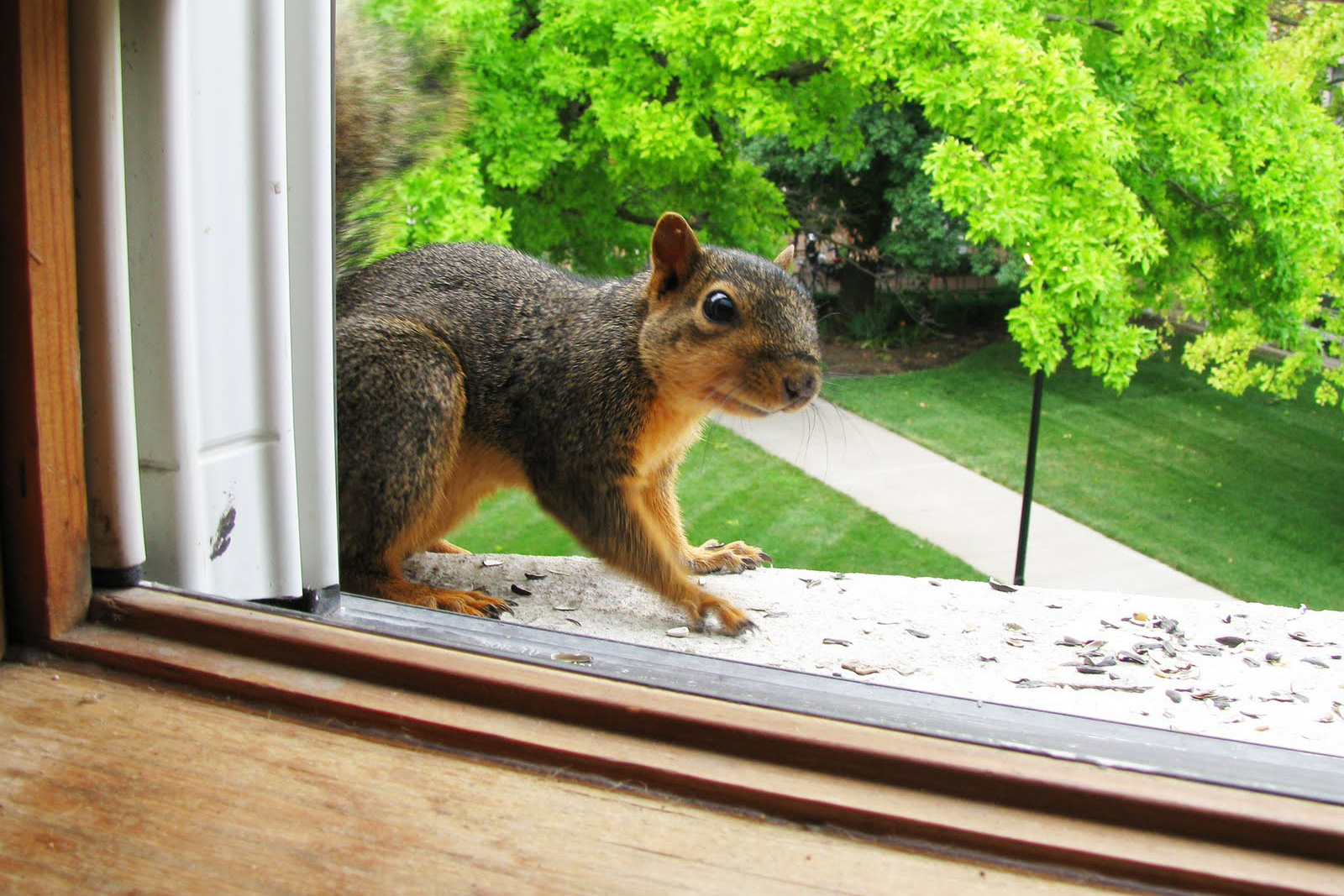
This article is a question-answer format in which a woman wrote in to inquire about the noisy squirrel outside of her window, wondering why it stares at her and chatters and if it’s trying to intimidate her cats like her neighbor suggests.

windowsquirrel.jpgPhoto Source

This article breaks down a number of squirrel calls and their supposed meanings, including sound clips that sample some of them:

Click here for squirrel calls


Animal Sounds and Interaction are Healing

This NPR article discusses many ways that interacting with animals can help heal people. It describes how animals can play a “therapist” role because people find them comforting to confide in, but says that simply interacting with animals can increase Oxytocin which makes people feel calm and happy.

squirrel-therapist.jpgPhoto Source


Researchers at Brighton and Sussex Medical School confirmed that just listening to natural sounds helped people to relax.

breeze.gif

Photo Source

Representing Existing Things in a New Way

This article features an artery and nerve map created by a surgeon using the London tube lines. It’s novel both for its artistic value and for its clarity in showing arterial connections from different ends of the body. It reminded me of our park toolkit because we are trying to take scientific research that exists and show it in a way that provides value even if not as literal tools today (like how this map is not a literal anatomical map for surgical use).

tubemaphumananatomy.jpg


Extensive Squirrel Communication Research

I expected to find research into different types of animal calls and sounds, but so much more is known about animal communication than I’d expected. This study analyzes the differences between the alarm calls of three species of squirrels and found that they are distinguishable from each other.

2squirrelsPhoto Source

Some of the (human-relatable) reasons squirrels have been observed to make noise are outlined in this article.

Alarm

alarmed squirrel

Photo Source


Aggression

angry squirrel.jpg

Photo Source


Mating

mating squirrel

Photo Source